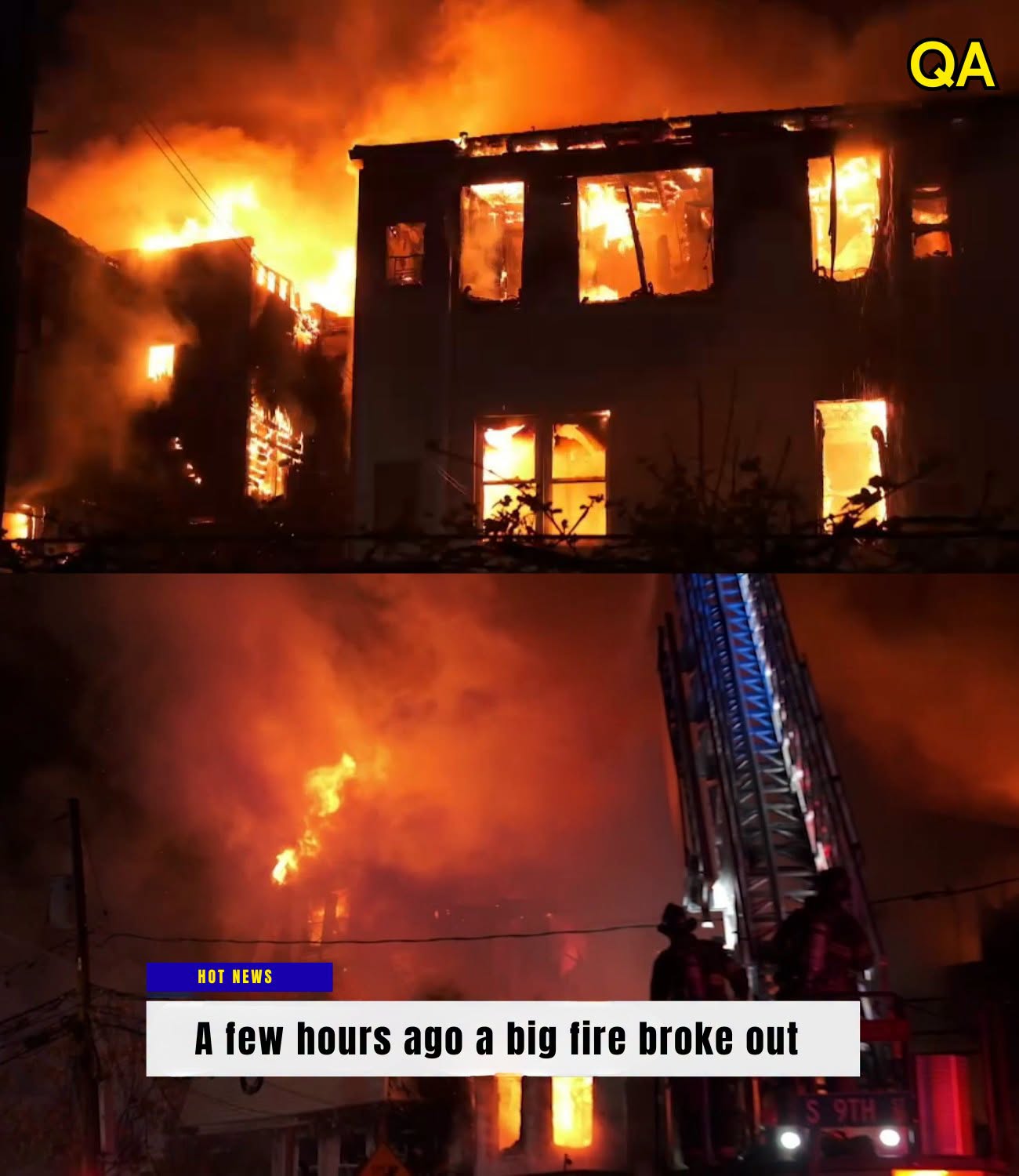
A devastating overnight fire in Newark has left multiple buildings destroyed, dozens of residents displaced, and several firefighters injured. The incident, which unfolded on April 18, 2026, has drawn widespread attention as emergency crews worked tirelessly to contain the fast-moving blaze.
This tragic event highlights ongoing concerns about urban fire safety, emergency preparedness, and the challenges firefighters face when battling large-scale residential fires in densely populated areas.
A Sudden and Rapidly Spreading Fire
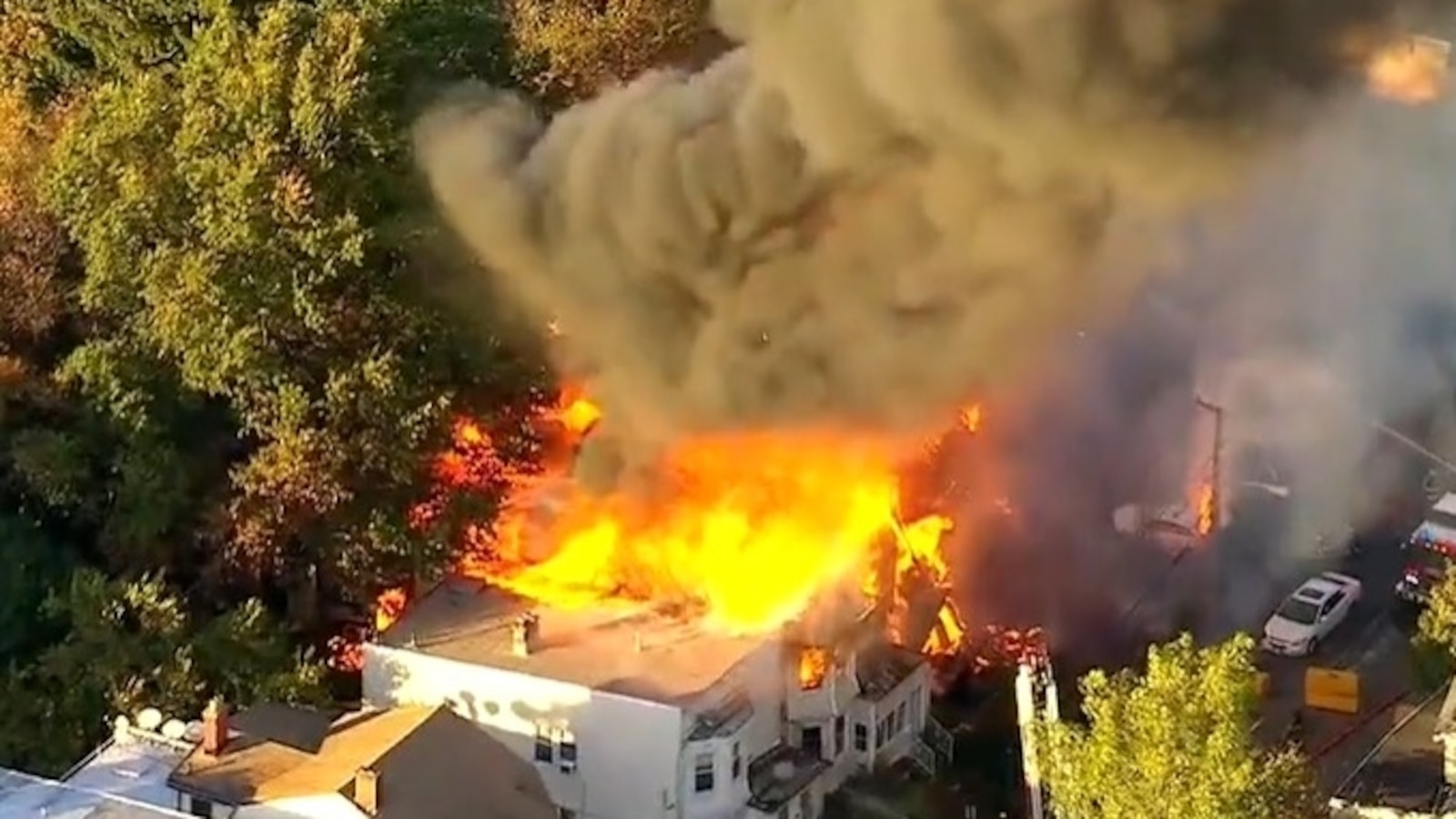
Late in the evening, flames reportedly broke out in a residential structure in Newark before quickly spreading to neighboring buildings. Within minutes, the fire escalated into a multi-building emergency, engulfing at least four structures in total.
Eyewitnesses described a chaotic and frightening scene. Residents reported hearing loud crackling sounds as flames tore through rooftops and windows. Thick smoke filled the air, making visibility difficult and forcing many to flee their homes with little more than the clothes they were wearing.
Fire officials later confirmed that the close proximity of buildings and combustible materials contributed significantly to the fire’s rapid spread.
Massive Emergency Response Effort
More than 100 firefighters were deployed to the scene, forming one of the largest emergency responses in the area in recent months. Crews worked through the night, using multiple hose lines and ladder trucks to combat the flames from different angles.
Firefighters faced extremely challenging conditions, including:
- Intense heat and rapidly changing fire behavior
- Limited access between tightly packed buildings
- Risk of structural collapse
- Heavy smoke reducing visibility
Despite these obstacles, emergency crews were able to bring the fire under control after several hours of continuous effort.
Authorities praised the coordination and bravery of the responders, noting that their quick action likely prevented the fire from spreading even further.

Dozens of Residents Displaced
Approximately 60 residents were evacuated as a result of the fire. Many families lost their homes entirely, with some buildings reduced to charred debris.
Local officials and relief organizations quickly stepped in to provide temporary shelter, food, and essential supplies. Community centers and emergency housing services were activated to assist those affected.
For many victims, the emotional toll is just as severe as the physical loss. Residents described the heartbreak of watching their homes burn and the uncertainty of what comes next.
One displaced resident shared that everything happened so quickly that there was no time to gather belongings, leaving families to start over from scratch.
Firefighters Among the Injured
While no civilian fatalities have been reported, six firefighters sustained injuries during the operation. According to officials, these injuries were not life-threatening, but they underscore the risks involved in responding to such large-scale emergencies.
Common hazards firefighters face in situations like this include:
- Heat exhaustion and dehydration
- Smoke inhalation
- Falling debris
- Structural instability
Medical teams treated the injured firefighters promptly, and all are expected to recover.
Their injuries serve as a reminder of the dangers first responders encounter daily while protecting communities.
Investigation Into the Cause Underway
Authorities have launched a full investigation into the cause of the fire. At this stage, officials have not confirmed what sparked the blaze, but early reports suggest it may have originated in one of the residential units before spreading outward.
Fire investigators will examine several possible factors, including:
- Electrical malfunctions
- Heating equipment issues
- Accidental human activity
- Building code compliance
Determining the cause is crucial not only for accountability but also for preventing similar incidents in the future.

Impact on the Local Community
The fire has had a profound impact on the Newark community. Beyond the immediate damage, the incident has disrupted lives, displaced families, and raised concerns about housing safety.
Community members have begun organizing support efforts, including donation drives and fundraising campaigns to help those affected rebuild.
Local leaders emphasized the importance of community resilience during times like this, encouraging neighbors to support one another and contribute to recovery efforts.
Urban Fire Risks: A Growing Concern
Incidents like this highlight broader issues related to fire safety in urban environments. Cities with older infrastructure and closely spaced buildings are particularly vulnerable to fast-spreading fires.
Key risk factors often include:
- Aging electrical systems
- Lack of modern fire suppression systems
- Limited firebreaks between buildings
- High population density
Fire safety experts stress the importance of regular inspections, updated building codes, and public awareness to reduce these risks.
Fire Safety Tips for Residents
In light of this incident, safety officials are urging residents to review their fire preparedness plans. Simple precautions can make a significant difference in emergency situations.
Essential fire safety tips:
- Install and maintain smoke detectors
- Have a clear evacuation plan
- Keep fire extinguishers accessible
- Avoid overloading electrical outlets
- Regularly check heating equipment
Preparedness can help save lives and minimize damage when unexpected emergencies occur.

The Road to Recovery
Recovery from such a disaster is often a long and challenging process. Families affected by the Newark fire now face the difficult task of rebuilding their lives.
Insurance claims, housing arrangements, and emotional recovery all take time. Local authorities have pledged support, but long-term recovery will depend on continued community assistance and resources.
Nonprofit organizations and local agencies are expected to play a key role in helping displaced residents regain stability.
Recognizing the Role of First Responders
This incident also highlights the critical role firefighters and emergency personnel play in protecting communities. Their willingness to face dangerous conditions ensures that lives are saved and damage is contained.
The injuries sustained by six firefighters serve as a powerful reminder of their dedication and sacrifice.
Communities often come together after such events to express gratitude, whether through public recognition, support programs, or simply acknowledging their efforts.
Conclusion
The Newark fire of April 18, 2026, stands as a stark reminder of how quickly disaster can strike and how vital preparedness and community response are in such moments.
With multiple buildings destroyed, dozens displaced, and firefighters injured, the impact of this event will be felt for some time. However, the swift response from emergency crews and the resilience of the local community offer hope for recovery.
As investigations continue and rebuilding begins, this incident underscores the importance of fire safety awareness and the need for continued investment in emergency preparedness.
A devastating overnight fire in Newark has left multiple buildings destroyed, dozens of residents displaced, and several firefighters injured. The incident, which unfolded on April 18, 2026, has drawn widespread attention as emergency crews worked tirelessly to contain the fast-moving blaze.
This tragic event highlights ongoing concerns about urban fire safety, emergency preparedness, and the challenges firefighters face when battling large-scale residential fires in densely populated areas.
A Sudden and Rapidly Spreading Fire
Late in the evening, flames reportedly broke out in a residential structure in Newark before quickly spreading to neighboring buildings. Within minutes, the fire escalated into a multi-building emergency, engulfing at least four structures in total.
Eyewitnesses described a chaotic and frightening scene. Residents reported hearing loud crackling sounds as flames tore through rooftops and windows. Thick smoke filled the air, making visibility difficult and forcing many to flee their homes with little more than the clothes they were wearing.
Fire officials later confirmed that the close proximity of buildings and combustible materials contributed significantly to the fire’s rapid spread.
Massive Emergency Response Effort
More than 100 firefighters were deployed to the scene, forming one of the largest emergency responses in the area in recent months. Crews worked through the night, using multiple hose lines and ladder trucks to combat the flames from different angles.
Firefighters faced extremely challenging conditions, including:
- Intense heat and rapidly changing fire behavior
- Limited access between tightly packed buildings
- Risk of structural collapse
- Heavy smoke reducing visibility
Despite these obstacles, emergency crews were able to bring the fire under control after several hours of continuous effort.
Authorities praised the coordination and bravery of the responders, noting that their quick action likely prevented the fire from spreading even further.
Dozens of Residents Displaced
Approximately 60 residents were evacuated as a result of the fire. Many families lost their homes entirely, with some buildings reduced to charred debris.
Local officials and relief organizations quickly stepped in to provide temporary shelter, food, and essential supplies. Community centers and emergency housing services were activated to assist those affected.
For many victims, the emotional toll is just as severe as the physical loss. Residents described the heartbreak of watching their homes burn and the uncertainty of what comes next.
One displaced resident shared that everything happened so quickly that there was no time to gather belongings, leaving families to start over from scratch.
Firefighters Among the Injured
While no civilian fatalities have been reported, six firefighters sustained injuries during the operation. According to officials, these injuries were not life-threatening, but they underscore the risks involved in responding to such large-scale emergencies.
Common hazards firefighters face in situations like this include:
- Heat exhaustion and dehydration
- Smoke inhalation
- Falling debris
- Structural instability
Medical teams treated the injured firefighters promptly, and all are expected to recover.
Their injuries serve as a reminder of the dangers first responders encounter daily while protecting communities.
Investigation Into the Cause Underway
Authorities have launched a full investigation into the cause of the fire. At this stage, officials have not confirmed what sparked the blaze, but early reports suggest it may have originated in one of the residential units before spreading outward.
Fire investigators will examine several possible factors, including:
- Electrical malfunctions
- Heating equipment issues
- Accidental human activity
- Building code compliance
Determining the cause is crucial not only for accountability but also for preventing similar incidents in the future.
Impact on the Local Community
The fire has had a profound impact on the Newark community. Beyond the immediate damage, the incident has disrupted lives, displaced families, and raised concerns about housing safety.
Community members have begun organizing support efforts, including donation drives and fundraising campaigns to help those affected rebuild.
Local leaders emphasized the importance of community resilience during times like this, encouraging neighbors to support one another and contribute to recovery efforts.
Urban Fire Risks: A Growing Concern
Incidents like this highlight broader issues related to fire safety in urban environments. Cities with older infrastructure and closely spaced buildings are particularly vulnerable to fast-spreading fires.
Key risk factors often include:
- Aging electrical systems
- Lack of modern fire suppression systems
- Limited firebreaks between buildings
- High population density
Fire safety experts stress the importance of regular inspections, updated building codes, and public awareness to reduce these risks.
Fire Safety Tips for Residents
In light of this incident, safety officials are urging residents to review their fire preparedness plans. Simple precautions can make a significant difference in emergency situations.
Essential fire safety tips:
- Install and maintain smoke detectors
- Have a clear evacuation plan
- Keep fire extinguishers accessible
- Avoid overloading electrical outlets
- Regularly check heating equipment
Preparedness can help save lives and minimize damage when unexpected emergencies occur.
The Road to Recovery
Recovery from such a disaster is often a long and challenging process. Families affected by the Newark fire now face the difficult task of rebuilding their lives.
Insurance claims, housing arrangements, and emotional recovery all take time. Local authorities have pledged support, but long-term recovery will depend on continued community assistance and resources.
Nonprofit organizations and local agencies are expected to play a key role in helping displaced residents regain stability.
Recognizing the Role of First Responders
This incident also highlights the critical role firefighters and emergency personnel play in protecting communities. Their willingness to face dangerous conditions ensures that lives are saved and damage is contained.
The injuries sustained by six firefighters serve as a powerful reminder of their dedication and sacrifice.
Communities often come together after such events to express gratitude, whether through public recognition, support programs, or simply acknowledging their efforts.
Conclusion
The Newark fire of April 18, 2026, stands as a stark reminder of how quickly disaster can strike and how vital preparedness and community response are in such moments.
With multiple buildings destroyed, dozens displaced, and firefighters injured, the impact of this event will be felt for some time. However, the swift response from emergency crews and the resilience of the local community offer hope for recovery.
As investigations continue and rebuilding begins, this incident underscores the importance of fire safety awareness and the need for continued investment in emergency preparedness.