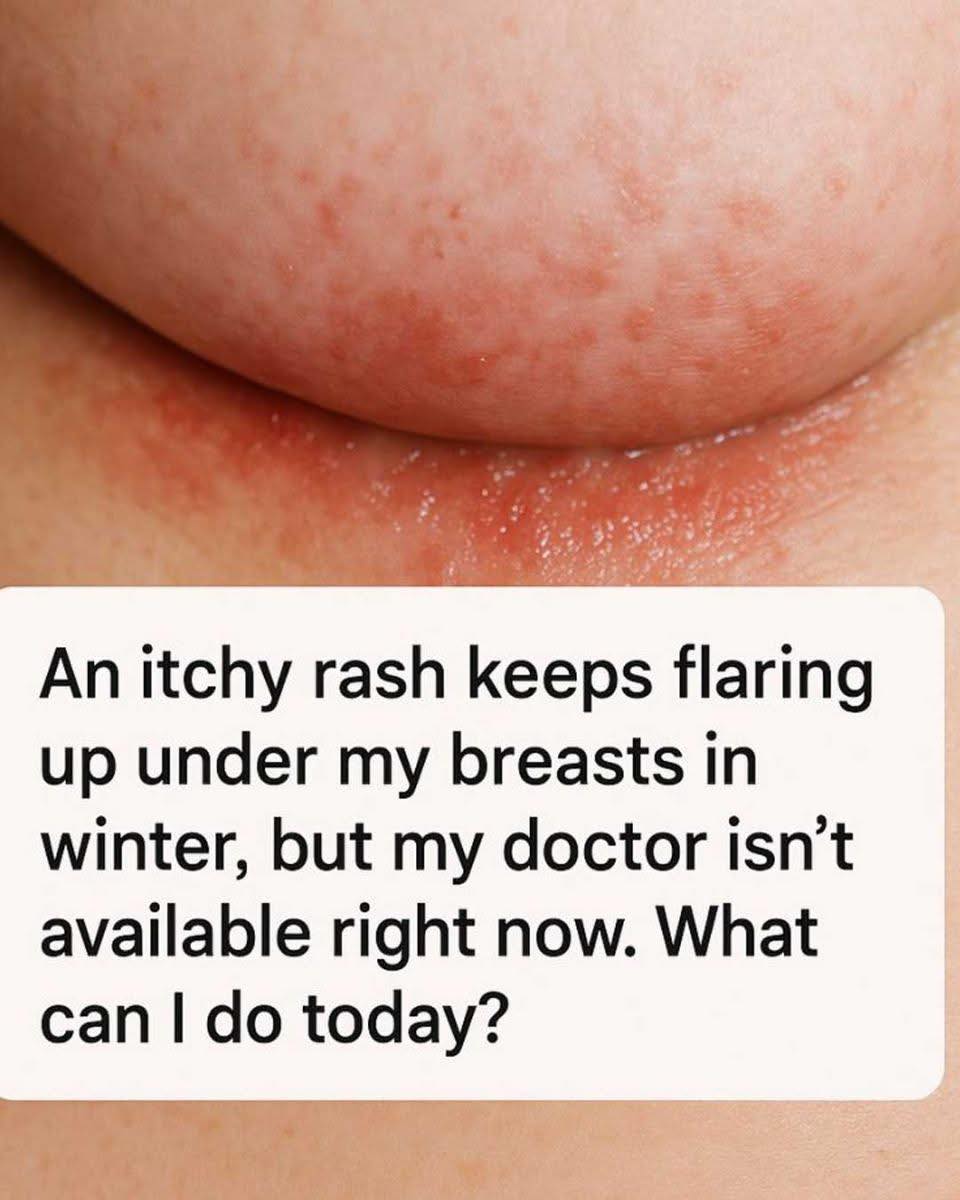

- Use clotrimazole (Lotrimin AF) or miconazole (Micatin)—both treat yeast/fungal rashes.
- Apply a thin layer 2x daily (morning and night) to clean, dry skin.
- Continue for at least 7–10 days, even if it improves sooner.
💡 Why antifungal?
Most under-breast rashes in winter are yeast-related, not bacterial or allergic. Antifungals work faster and more effectively than hydrocortisone alone (which can worsen yeast).3. Use a Barrier to Reduce Friction and Moisture
- After the antifungal cream absorbs (wait 10 mins), dust on plain cornstarch or antifungal powder (like Zeasorb-AF).
- Avoid talc and fragranced powders—they can irritate.
- Do NOT use petroleum jelly or thick creams—they trap moisture and feed yeast.
4. Wear Breathable, Moisture-Wicking Fabrics
- Choose cotton bras (or go braless) and loose, breathable tops.
- Avoid synthetic fabrics (polyester, nylon) that trap sweat.
- Change bras if you sweat—even in winter.
🚫 What NOT to Do
- Don’t use hydrocortisone cream alone—it reduces inflammation but feeds yeast, making the rash worse long-term.
- Don’t scrub or use alcohol wipes—this damages the skin barrier.
- Don’t cover with tight clothing or plastic-backed pads—traps heat and moisture.
🌿 Natural Support (Optional but Helpful)
- Diluted apple cider vinegar rinse: Mix 1 tbsp ACV + 1 cup cool water. Dab on after washing, then rinse and dry. (ACV has antifungal properties—but skip if skin is broken.)
- Coconut oil? Only if you’re sure it’s not yeast-related (coconut oil can feed candida). Best to stick with OTC antifungals first.
🚩 When to Seek Medical Care ASAP
See a doctor or urgent care if you notice:
- Oozing, crusting, or open sores
- Spreading redness or red streaks (sign of infection)
- Fever or warmth in the area
- No improvement after 5–7 days of antifungal treatment
- Recurrent rashes (you may need prescription-strength treatment)